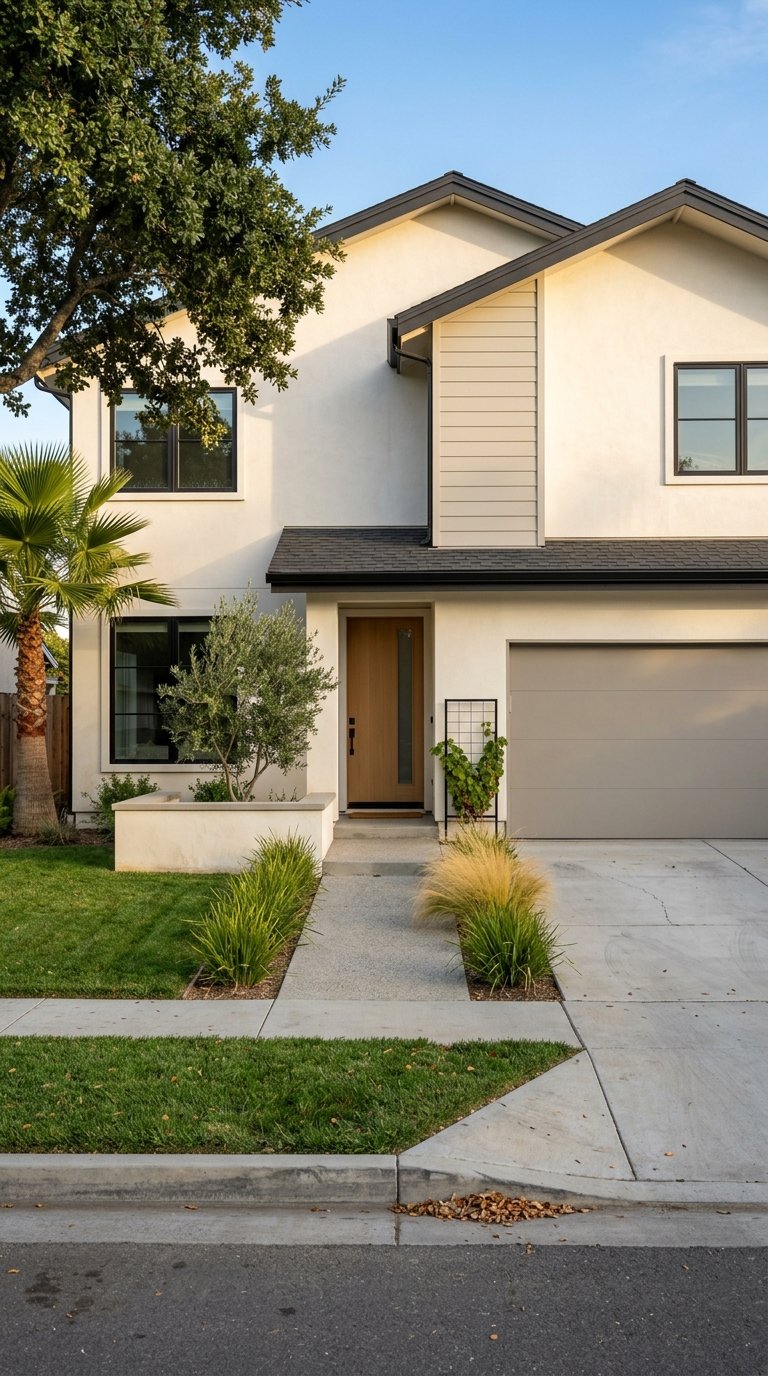
What It’s Like To Live In Livermore Wine Country
June 4, 2026
June 4, 2026
If you picture wine country as a weekend-only destination, Livermore may surprise you. Living here means you get vineyard views and tasting-room weekends, but you also get a full city with neighborhoods, commuting options, local employers, parks, and a downtown that supports daily life. If you are wondering whether Livermore Wine Country feels too rural, too suburban, or just right, this guide will help you understand what day-to-day life actually looks like. Let’s dive in.
Livermore has a distinct identity in the Bay Area. The city describes itself as the easternmost city in the San Francisco Bay Area and the gateway to the Central Valley, which helps explain why it feels different from denser inner East Bay communities.
You get a setting shaped by rolling hills, agricultural land, and open space, but you are not living in an isolated vineyard town. Livermore covers about 26.44 square miles and had an estimated population of 83,457 in July 2025, so it reads more like a mid-sized suburban city than a tourist town.
That balance is a big part of the appeal. You can enjoy wine-country scenery and a slower feel, while still having access to everyday essentials, jobs, schools, and transportation connections.
Livermore’s wine identity is not marketing spin. The city says Livermore was founded in 1869 and is California’s oldest wine region, and Livermore Valley Wine Country includes 42 wineries with tasting rooms that are open year-round.
For residents, that means wineries are not just special-occasion destinations. They become part of your regular rhythm, whether that looks like a casual tasting on a Saturday, meeting friends for an event, or taking visiting family out for an easy afternoon close to home.
Historic roots still shape the area today. Wente Family Vineyards, founded in 1868, remains a well-known local anchor and reflects how deeply wine is woven into the area’s identity.
One reason Livermore feels livable year-round is that the lifestyle is not centered only on vineyards. The city describes downtown Livermore as its main shopping, dining, entertainment, and cultural district, with a pedestrian-oriented environment, a 10-screen cinema, and a 500-seat performing arts center.
That matters if you want more than scenic weekends. Downtown gives you places to eat, meet friends, catch a movie, or attend a performance without leaving the city.
It also adds variety to the local lifestyle. On one day, you may spend time on a trail or at a winery. On another, you may be downtown running errands, dining out, or enjoying a community event.
The city points to Livermore’s coastal-range setting as one reason for its mild climate and less congested lifestyle. Compared with more built-up Bay Area locations, Livermore often feels more spacious, with broader views and more separation between busy destinations.
That does not mean sleepy or disconnected. It means your everyday environment may feel calmer, with more room to breathe and more visual connection to hills, agricultural land, and open sky.
For many buyers, that trade-off is the whole point. You are choosing a place where the setting plays a bigger role in daily life, even while you stay connected to the wider region.
If you like being outside, Livermore gives you more than pretty scenery. The city’s Open Space and Conservation Program protects habitat, agricultural land, scenic value, watershed functions, and non-motorized recreation, which helps preserve the landscape that residents enjoy.
LARPD operates four open-space parks: Sycamore Grove, Holdener Park, Garaventa Wetland Preserves, and Brushy Peak. The district also notes two key through-town trails, the South Livermore Valley Trail and the Arroyo Mocho Trail.
This makes outdoor time easier to build into your week. You do not have to save nature for a long drive or a once-a-month outing when trails and open space are already woven into the city.
Outdoor access extends beyond the city itself. Del Valle Regional Park sits south of Livermore and serves as the eastern gateway to the 28-mile Ohlone Wilderness Trail.
For some residents, that means quick morning walks and evening trail time. For others, it means weekends with more ambitious hiking, reservoir views, or time spent enjoying the broader East Bay landscape.
Livermore’s climate supports the outdoor lifestyle, but it comes with trade-offs. A city storm-drain study describes Livermore as having a mild Mediterranean climate, with average temperatures ranging from 39°F in winter to 89°F in summer and minimal precipitation from May to October.
In practical terms, you can expect plenty of dry weather and many usable outdoor days. You should also expect real summer heat, especially if you are moving from cooler parts of the Bay Area.
That climate is part of what supports the area’s winemaking heritage, but it also shapes daily decisions. Summer afternoons can feel hot and dry, so many residents plan outdoor activities earlier in the day or later in the evening.
A common question is whether Livermore is practical if you work elsewhere in the Bay Area. For many households, the answer is yes, but the commute setup is more about freeway access, ACE rail, and bus-to-BART connections than having a BART station in the city itself.
The city notes that I-580 is Livermore’s main freeway. It also says I-680 and Route 84 can be a shorter route for some people commuting to San Jose.
Livermore also has useful transit connections. The city says ACE has one station near downtown and another near Lawrence Livermore Lab, while the Livermore Transit Center connects to WHEELS bus service, ACE, Amtrak Motor Coaches, and Greyhound.
WHEELS Route 580X provides express service from the Livermore Transit Center to Dublin/Pleasanton BART. Route 20X serves the Vasco Road ACE station, Lawrence Livermore National Laboratory, and the Livermore Transit Center.
That setup can work especially well for hybrid workers or households with varied schedules. You may still rely heavily on driving, but Livermore offers more regional access than some buyers expect.
Census data puts the mean travel time to work at 30.1 minutes, which supports the idea that Livermore functions as both a local community and a regional commuter city.
Livermore is not only a place people leave each morning. The city highlights Lawrence Livermore National Laboratory and Sandia National Laboratories as major local institutions, giving the city an employment base that extends beyond retail and service work.
That matters because it helps explain why Livermore feels like a full-service city rather than a one-dimensional bedroom community. The local economy supports a broader mix of daily routines, from local employment to regional commuting.
From a housing perspective, Livermore looks relatively stable. The 2020 to 2024 ACS profile shows a 72.0% owner-occupied rate, 2.74 persons per household, and 90.0% of residents living in the same house one year earlier.
Those numbers suggest a settled community where many people stay put. For buyers, that can translate into neighborhoods that feel established and a market where homes are part of longer-term planning.
The financial side is important, though. The same Census profile shows a median household income of $160,775, a median owner-occupied home value of $1,105,600, median monthly mortgage costs of $3,932, and median gross rent of $2,677.
If you are considering a move to Livermore, it helps to think beyond the lifestyle image. The city often appeals to buyers who want suburban space, open land nearby, and regional access, but it is also a high-cost housing market.
That is why a clear plan matters. If you are comparing Livermore with other Tri-Valley or Central Valley options, it helps to weigh not just the purchase price, but also commute patterns, long-term fit, and how the home supports your financial goals.
Livermore is not culturally one-note. Census data shows that 26.4% of residents age 5 and older speak a language other than English at home, which points to a community with a mix of backgrounds and households.
The city’s school district structure also supports long-term household planning. Livermore Valley Joint Unified School District includes elementary, middle, high, TK-8, alternative, and adult education options.
For many buyers, that range adds practical value. It signals that Livermore is built for full-time living, not just weekend appeal.
In simple terms, living in Livermore Wine Country means your life can feel more open, more scenic, and a little more relaxed than in many inner Bay Area locations. You get winery access, trails, a defined downtown, and a city that functions well for both local routines and regional commuting.
The trade-offs are real too. Summer heat, car dependence for many trips, and high housing costs are part of the package.
For the right buyer, though, Livermore offers a compelling middle ground. It gives you a wine-country setting without giving up the structure and convenience of a real city.
If you are weighing a move to Livermore, the smartest next step is to look at the lifestyle and the numbers together. For tailored guidance on Livermore and surrounding Tri-Valley markets, connect with Valley To Valley Realty.
Stay up to date on the latest real estate trends.
Whether you’re buying, selling, or planning ahead, Valley To Valley Realty is here to guide you with clarity and purpose. Reach out today and take the next step toward a confident real estate future.
Get In Touch With Us
VALLEY TO VALLEY REALTY
Francine Masudi | CA DRE# 02236450
(209) 513-3323
[email protected]
Rick Arciniega | CA DRE# 01101436
OFFICE HOURS
Monday - Friday
9AM - 5:00PM
ADDRESS 3017 Douglas Blvd, STE 300 Roseville, CA, 95661