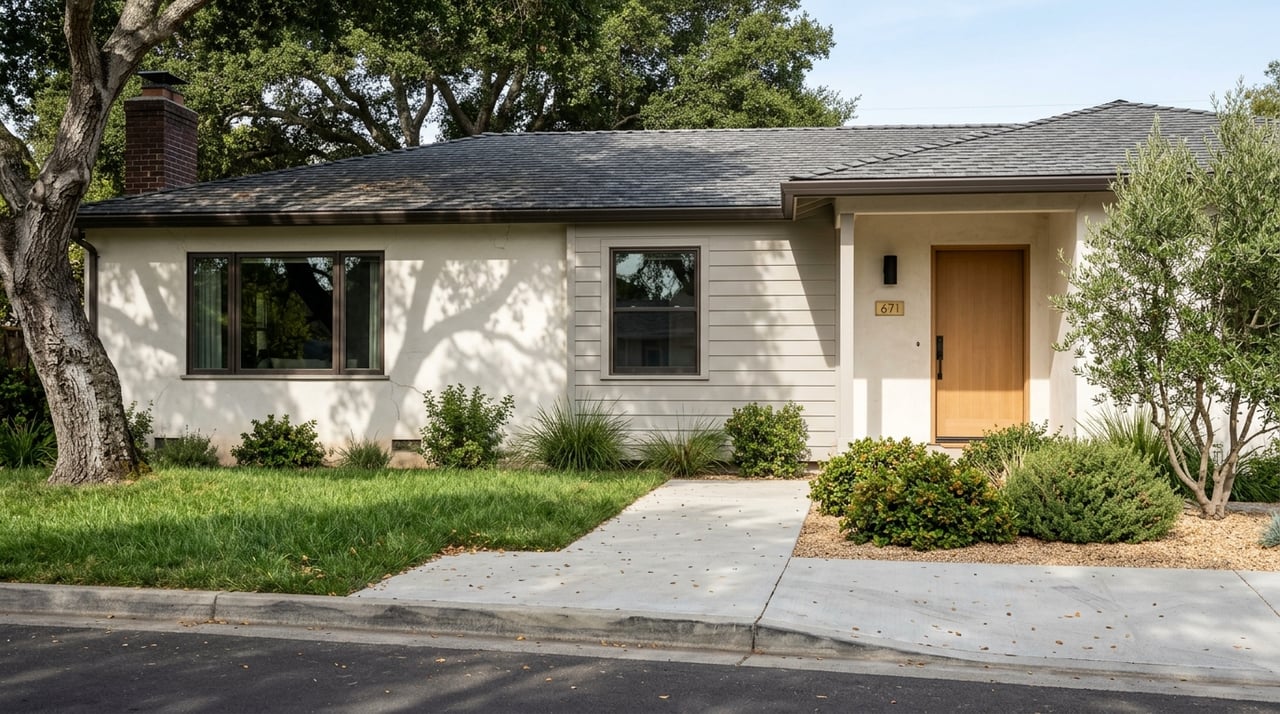
Dublin CA New Construction Homes vs Resale Homes
May 14, 2026
May 14, 2026
Buying in Dublin often comes down to one big question: should you go for a newer build or a resale home? If you are weighing floor plans, monthly costs, commute access, and long-term value, you are not alone. In a market where the median sale price reached $1.3675 million in March 2026 and homes sold in a median of 20 days, the right choice is usually less about trends and more about fit. Let’s dive in.
Dublin remains a high-demand East Bay market, and that affects both newer homes and resale inventory. According to Redfin, the median sale price in March 2026 was $1.3675 million, with a median price per square foot of $618. That means every decision about features, location, and monthly carrying costs deserves a careful look.
A lot of Dublin’s newer-home activity is concentrated in the eastern planning areas. The City of Dublin says the Eastern Dublin Specific Plan covers about 3,300 acres east of Camp Parks, and the city’s development dashboard showed 90 residential units issued year-to-date there as of March 2026. Francis Ranch is one example, with 573 homes across six neighborhoods near BART and Interstate 580.
Newer construction in Dublin often gives you more than just a new house. In master-planned communities, you may also get parks, trails, and a more structured neighborhood layout as part of the purchase decision. In Francis Ranch, for example, the city says the area includes Poppy Meadow Park and Wild Wind Park, totaling about 11 acres of parkland.
You may also see a broader mix of housing types in these newer communities. Francis Ranch includes townhomes, duets, and detached homes, which can give buyers different price points and maintenance levels to compare. That can be helpful if you want newer features but need flexibility in size or layout.
One of the biggest advantages of a newer build is that it starts with current construction standards. California’s 2025 Energy Code took effect on January 1, 2026, and it raises efficiency requirements for newly constructed homes. The California Energy Commission says newly constructed single-family homes are prescriptively required to have solar PV systems, and many single-family homes must also be battery-energy-storage-system ready.
Dublin adds another modern requirement. The city requires EV service equipment onsite for all new construction, effective January 1, 2023. If you drive an electric vehicle now, or think you might later, that built-in readiness can matter.
A new home can reduce your exposure to immediate repair projects. Systems, finishes, and major components are new, so you are less likely to walk in needing to replace aging equipment right away. That does not mean zero maintenance, but it often means fewer early surprises compared with an older property.
Warranty coverage can also be part of the value. Terms vary by builder, but one example from KB Home includes 10 years of structural coverage, 2 years for mechanical systems, and 1 year for workmanship and materials. The exact warranty and what it covers should always be confirmed in writing.
If the home is not finished yet, the process can look different from a traditional resale purchase. A builder may ask for an upfront deposit, and the purchase contract should clearly state when that deposit is refundable. This is one area where careful review matters, especially if construction timing, upgrades, or financing could shift.
Resale homes can give you something many buyers value just as much as a new kitchen: certainty about the setting. In established parts of Dublin, you can usually see the neighborhood pattern, traffic flow, lot sizes, and surrounding development as it exists today. That can make it easier to picture your day-to-day life before you commit.
Resale inventory is also more common in older and established parts of the city, including historic and downtown planning areas. The City of Dublin’s Dublin Village Historic Area Specific Plan focuses on preserving historic, cultural, and archaeological resources, while the Downtown Dublin Preferred Vision outlines long-range change over the next 30 to 50 years. If you like a more established setting, resale homes may offer more options.
With resale homes, you usually get a wider spread of condition. Some properties are fully updated, while others still reflect their original era. That can be a plus if you want character, a different floor plan, or the chance to renovate over time.
The trade-off is that efficiency, systems, and finishes can vary widely by age and upgrade history. Unlike new construction, resale homes were not all built to current code standards. That means you may need to budget for future improvements, even if the home looks move-in ready on day one.
One practical benefit of resale is that you can inspect the actual home before closing. The Consumer Financial Protection Bureau notes that inspections are especially useful for evaluating structural and mechanical systems such as heating, ventilation, air conditioning, and electrical. If serious issues come up, inspection contingencies can help protect you under the contract.
This can make resale appealing if you want to know exactly what you are buying. Roof condition, plumbing, electrical systems, foundation concerns, and HVAC age are all items worth reviewing closely. A well-negotiated contingency period can turn a resale purchase into a more informed decision.
When buyers compare newer builds and resale homes in Dublin, the purchase price is only part of the story. Your real monthly cost may include mortgage payments, HOA dues, special taxes, and assessment charges. In a seven-figure market, those line items can change the math quickly.
For many planned communities, HOA dues are separate from the mortgage. The CFPB says HOA fees commonly help cover shared expenses such as landscaping and maintenance. In condo-style communities, they may also relate to shared structures, roofs, or driveways.
In Dublin, newer neighborhoods may also carry Community Facilities District charges, often called Mello-Roos. The City of Dublin explains that facilities CFDs typically help fund public improvements and are usually tied to bond repayment. Services CFDs can continue as long as the services are being provided.
The city currently lists CFDs for Dublin Crossing, Dublin Crossing public services, East Ranch, and proposed Dublin Centre. If you are comparing a newer home to a resale property, ask whether the parcel has a CFD and whether it is tied to bond repayment or ongoing services. That question can affect both your monthly budget and your long-term ownership cost.
Another line item to review is Landscaping and Lighting Assessment District charges. The City of Dublin says these charges fund items like street lighting and landscaping and are billed on the annual property tax bill. The city also notes that some neighborhoods have different treatment depending on whether lighting is HOA-owned or city-maintained.
This matters because two homes with similar list prices can carry very different annual costs. A newer home may offer lower repair exposure and better energy performance, but those savings can be offset in part by HOA dues, CFD taxes, and assessment district charges. You want the full picture, not just the headline price.
The better option depends on how you balance convenience, predictability, and monthly cost. A newer build may make sense if you want current code features, lower near-term repair risk, and community amenities packaged into the neighborhood. A resale home may make more sense if you prefer an established setting, want to inspect the actual property, or see value in buying a home with a different price-to-condition profile.
A helpful way to compare the two is to look at three buckets:
If you review all three together, the best choice often becomes clearer. That is especially true in Dublin, where newer communities and established resale areas can offer very different ownership experiences.
Whether you lean toward new construction or resale, ask direct questions early. Clear answers can help you avoid budget surprises later.
For newer construction, ask:
For resale homes, ask:
In Dublin, this is not just a style choice between shiny and established. It is a financial decision about how you want to allocate your housing dollars over the next several years. Newer homes may offer stronger efficiency and fewer early repairs, while resale homes may offer a different value profile and a clearer view of the exact property you are buying.
If you want to compare newer builds versus resale homes in Dublin with a clear eye on monthly cost, long-term upkeep, and negotiation strategy, Valley To Valley Realty can help you break down the numbers and choose with confidence.
Stay up to date on the latest real estate trends.
Whether you’re buying, selling, or planning ahead, Valley To Valley Realty is here to guide you with clarity and purpose. Reach out today and take the next step toward a confident real estate future.
Get In Touch With Us

VALLEY TO VALLEY REALTY
Francine Masudi | CA DRE# 02236450
(209) 513-3323
[email protected]
Rick Arciniega | CA DRE# 01101436
OFFICE HOURS
Monday - Friday
9AM - 5:00PM
ADDRESS 3017 Douglas Blvd, STE 300 Roseville, CA, 95661