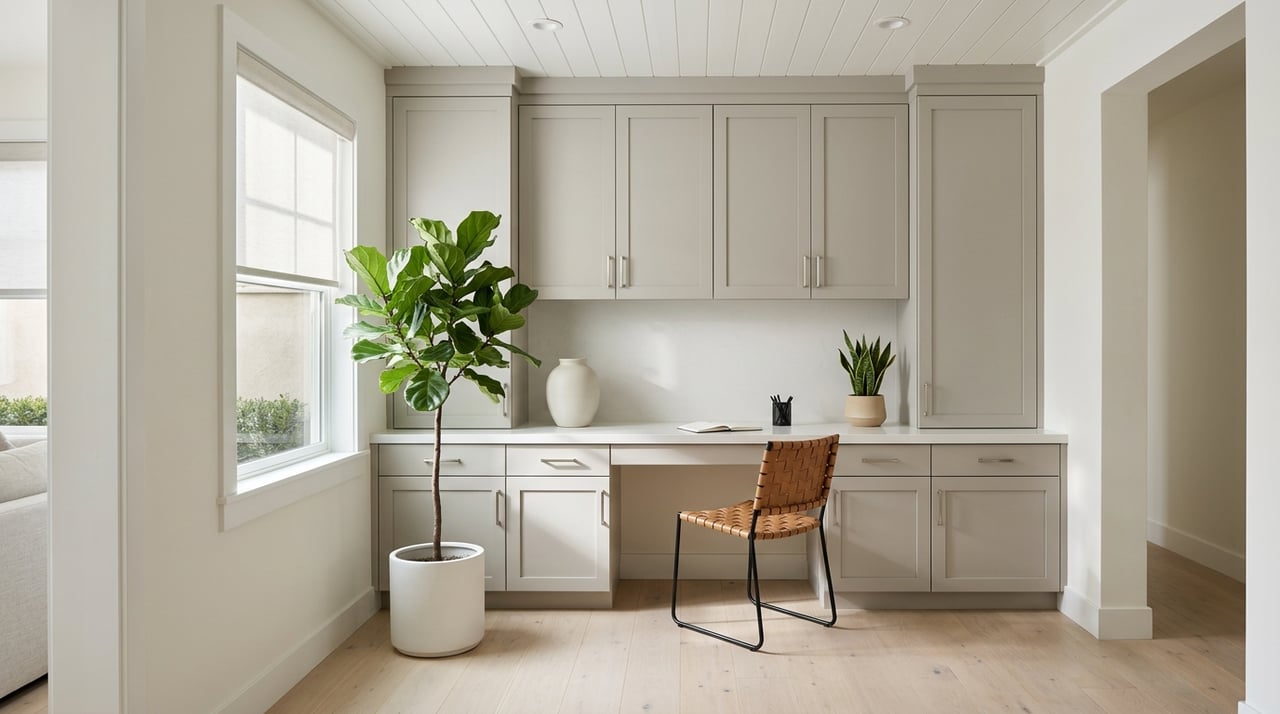
Fremont Neighborhoods for Commuters With Hybrid Schedules
April 2, 2026
April 2, 2026
Trying to balance home life with a not-quite-daily commute? In Fremont, that decision often comes down to which neighborhood fits your hybrid schedule best, not just which home you like most. If you want a smarter way to narrow your search, this guide will help you compare Fremont neighborhoods by transit access, freeway convenience, housing patterns, and day-to-day setting. Let’s dive in.
Fremont is not built around one single downtown. The city identifies 28 neighborhoods, with broader community plan areas that include City Center/Downtown, Centerville, Irvington, Mission San Jose, Niles, North Fremont, South Fremont, and Warm Springs, along with major travel corridors like Fremont Boulevard, Mission Boulevard, Washington Boulevard, I-880, and I-680, according to the City of Fremont neighborhood and planning documents.
That matters if you work on a hybrid schedule. In practical terms, your best neighborhood fit often depends on whether you need frequent BART access, occasional ACE or Capitol Corridor service, or fast freeway connections for driving days.
Before you focus on finishes, square footage, or lot size, it helps to decide how you will actually get to work. In Fremont, most hybrid buyers fall into one of a few clear patterns.
If you go into Oakland, San Francisco, or other BART-connected job centers several times a week, neighborhoods near Fremont Station or Warm Springs/South Fremont Station usually make the most sense. Fremont Station offers parking, bike racks, and AC Transit connections in central Fremont, while Warm Springs/South Fremont includes parking, bike lockers, EV charging, AC Transit connections, and improved pedestrian access from the Innovation District.
If your office days are limited and ACE or Capitol Corridor can cover those trips, the Centerville area stands out. Fremont-Centerville Station is served by ACE and local buses, with parking options that can support less frequent in-office travel.
If your routine depends more on I-880, I-680, Highway 84, or the Dumbarton Bridge, neighborhood choice shifts. In that case, places like Ardenwood, North Fremont, Mission San Jose, and nearby hillside areas can be more practical than station-adjacent neighborhoods.
For many hybrid workers, the easiest answer is to stay close to rail. Fremont has two current BART station areas that are especially relevant.
If you want the strongest transit-first setup, central Fremont deserves a close look. Downtown Fremont is near Fremont BART and is being built out as a more walkable core tied to Fremont Hub, Gateway Plaza, and Fremont Plaza, while the broader City Center area is described by the city as a major employment and residential hub with a mix of retail, office, hospital, and residential uses, plus additional approved multifamily housing and retail nearby, according to the City of Fremont’s downtown and City Center overview.
For your day-to-day life, this area can reduce the friction of commuting. It is one of the clearest choices if you want a shorter walk to BART, easy errand access, and a more urban routine without leaving Fremont.
If you want a newer transit-oriented setting, Warm Springs stands out. The Warm Springs employment hub is framed by the city as an Innovation District connected to BART, major employers, and planned growth in both jobs and housing.
This area can be especially appealing if your hybrid schedule mixes rail and driving. The Warm Springs/South Fremont Community Plan covers a large area bounded by I-880, I-680, Auto Mall Parkway, and Mission Boulevard, making it one of Fremont’s more flexible locations for people who need both station access and freeway convenience, based on the city’s community planning materials.
Not every hybrid worker needs BART. If your office routine is lighter or your rail option points you elsewhere, central-west Fremont may offer a better fit.
Centerville is one of Fremont’s historic town centers and a useful middle-ground option. City documents highlight transportation improvements around the Centerville train depot that connect AC Transit bus lines, the ACE/Amtrak station, local businesses, and civic destinations in the area, according to the Centerville planning document.
For buyers, this group of neighborhoods can work well when you want train access without living in the most urban part of Fremont. It is a practical choice if your in-office days are occasional and you value a more established neighborhood setting.
Some hybrid schedules send you south or west rather than north. In that case, station proximity may matter less than road access.
If you commute toward the Peninsula or North Silicon Valley, Ardenwood and nearby North Fremont neighborhoods are worth a serious look. The city notes that Ardenwood sits near Highway 84, I-880, and the Dumbarton Bridge, and describes it as a strategic west-side location with access patterns that support travel toward places like Palo Alto, Mountain View, Sunnyvale, and Pleasanton in varying drive times, according to Fremont’s Ardenwood employment hub page.
This part of Fremont can make sense if you want a more residential setting and a straightforward drive route. It also offers access to local destinations like Ardenwood Historic Farm, Coyote Hills Regional Park, and neighborhood shopping areas.
For some buyers, the home itself matters more than daily walking distance to rail. If you only go into the office a few times a month, that trade-off can be worthwhile.
These neighborhoods are generally better aligned with a car-based hybrid routine. The city’s planning and mobility materials place this part of Fremont along the Mission Boulevard and Washington Boulevard corridors with strong ties to the I-680 travel pattern, as shown in Fremont’s planning documents.
Mission San Jose is also described in city historic materials as having a semi-rural character in its historic district, with residences set back from the street and a distinct built environment. If you want a lower-density feel and your office schedule is predictable, this area may offer the balance you want.
Some hybrid buyers care less about shaving minutes off the commute and more about enjoying where they live the rest of the week.
Niles has a very different feel from Fremont’s station-centered areas. The city describes it as a compact seven-block commercial main street near the hills and Alameda Creek, with surrounding residential structures that include Victorian, pre-war, Craftsman Bungalow, and Spanish Revival styles, according to Fremont’s General Plan materials.
For your routine, that means Niles is usually more about character, trails, and a quieter setting than direct transit convenience. Local destinations like Niles Town Plaza, Niles Community Park, and nearby trail access reinforce that appeal.
Irvington is an important area to keep on your radar. Today, it functions as an established central Fremont neighborhood with a mix of older single-family homes on small lots, garden apartments, condominiums, and some newer multifamily development, while the city’s Irvington Station Area Plan is aimed at a more walkable, mixed-use, pedestrian-friendly district.
At the same time, BART’s Irvington station project page says the future station is in design and is planned roughly halfway between Fremont and Warm Springs/South Fremont. If you are comfortable buying for longer-term transit upside rather than immediate station access, Irvington may deserve a closer look.
In Fremont, commute style and housing style often go hand in hand. The city’s planning documents show a general pattern where transit-rich core areas lean more toward multifamily and mixed-use development, while historic districts and hill-adjacent neighborhoods tend to feel more residential and lower density.
That can help you narrow your search faster:
If you are weighing resale value, commute practicality, and home type together, this is where a finance-first lens can be helpful. The right fit is usually the neighborhood that supports how you live now and remains functional if your work pattern changes later.
If you want the fast version, here is a practical way to sort your options.
A hybrid-friendly neighborhood is not always the one with the shortest commute on paper. Sometimes the better long-term choice is the area that gives you more flexibility, whether that means easy BART access, a simpler drive pattern, or a housing type that better matches your budget and future plans.
That is where strategic guidance can make a real difference. When you compare neighborhoods through both a lifestyle and financial lens, you can make a move that supports your schedule today while protecting your options for tomorrow. If you want help weighing Fremont neighborhoods based on commute patterns, housing type, and long-term value, connect with Valley To Valley Realty.
Stay up to date on the latest real estate trends.
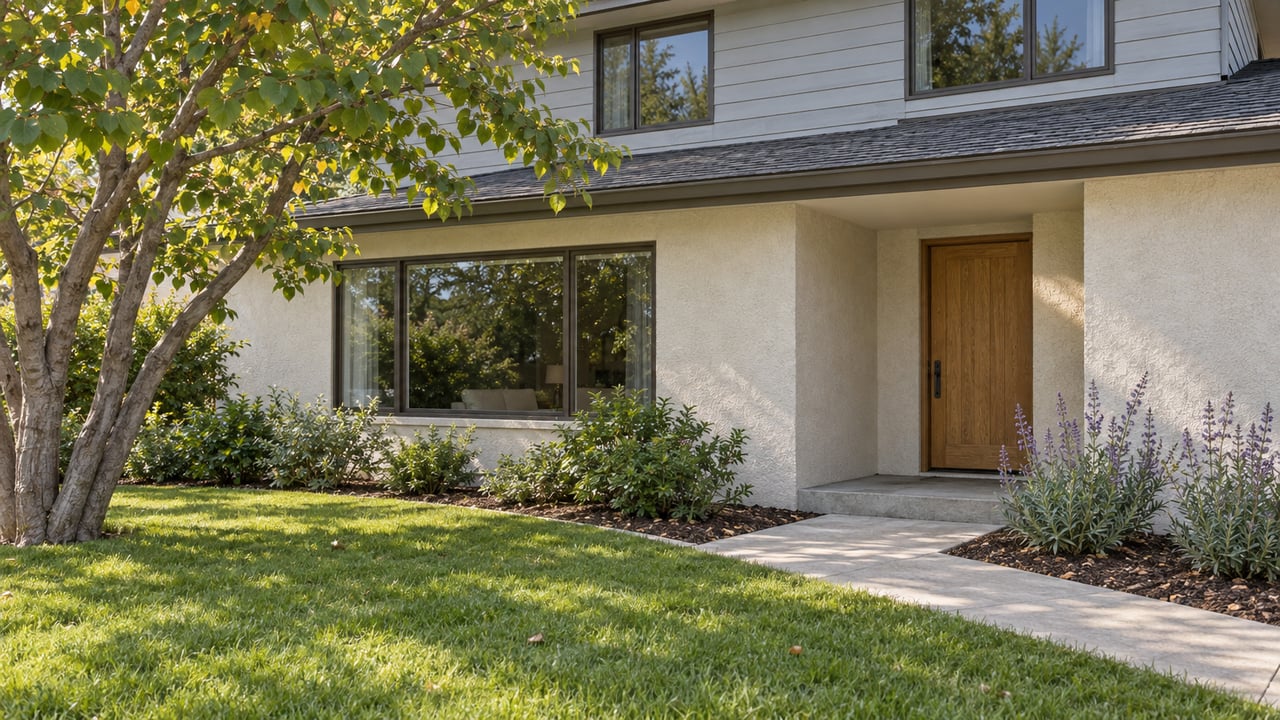
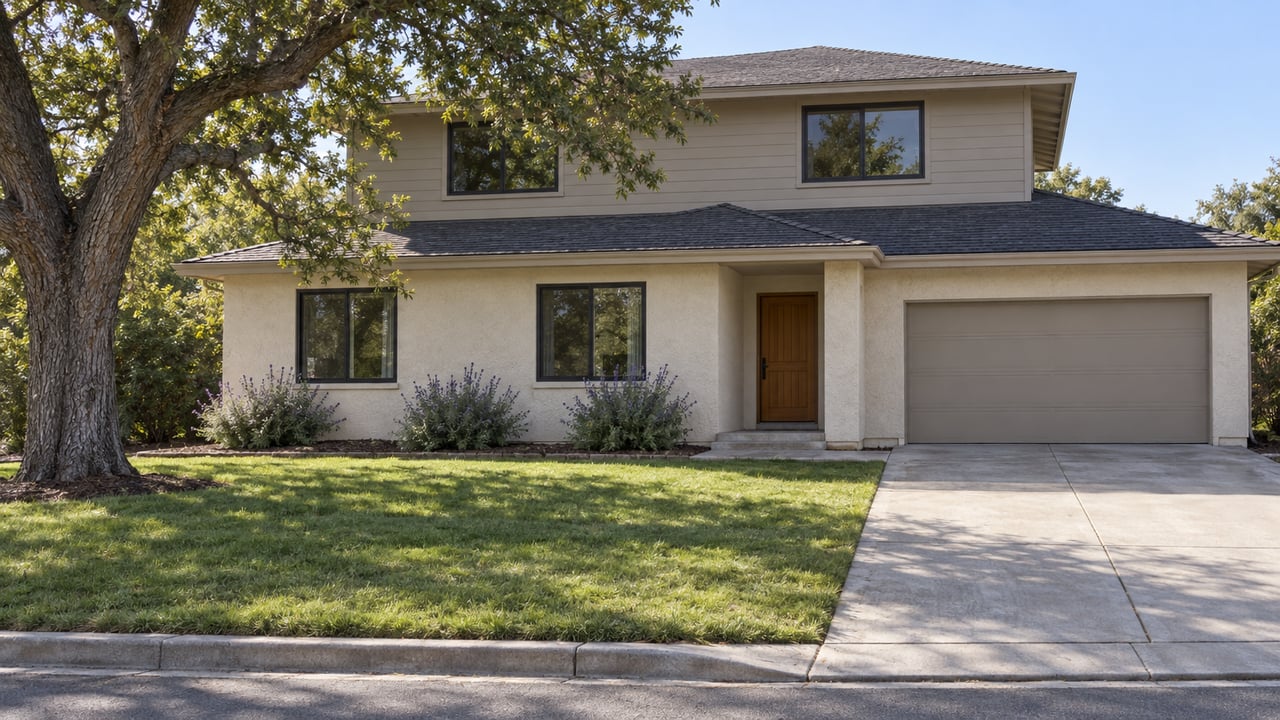
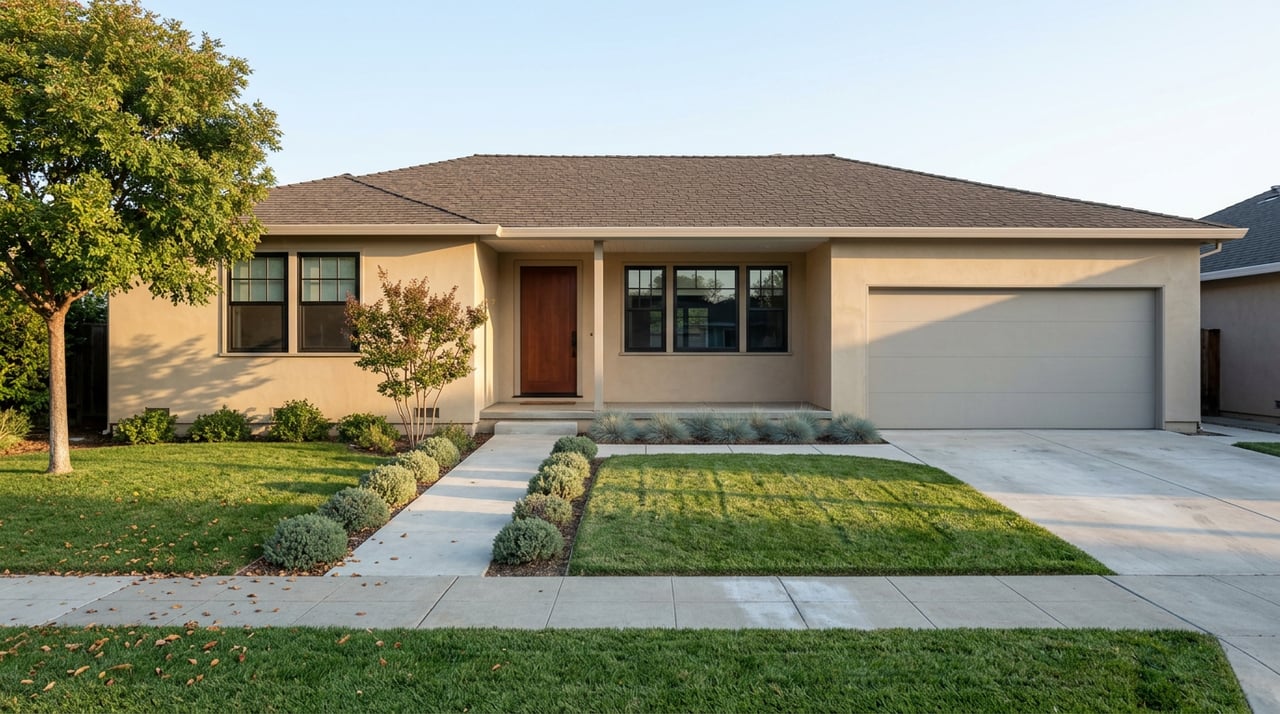
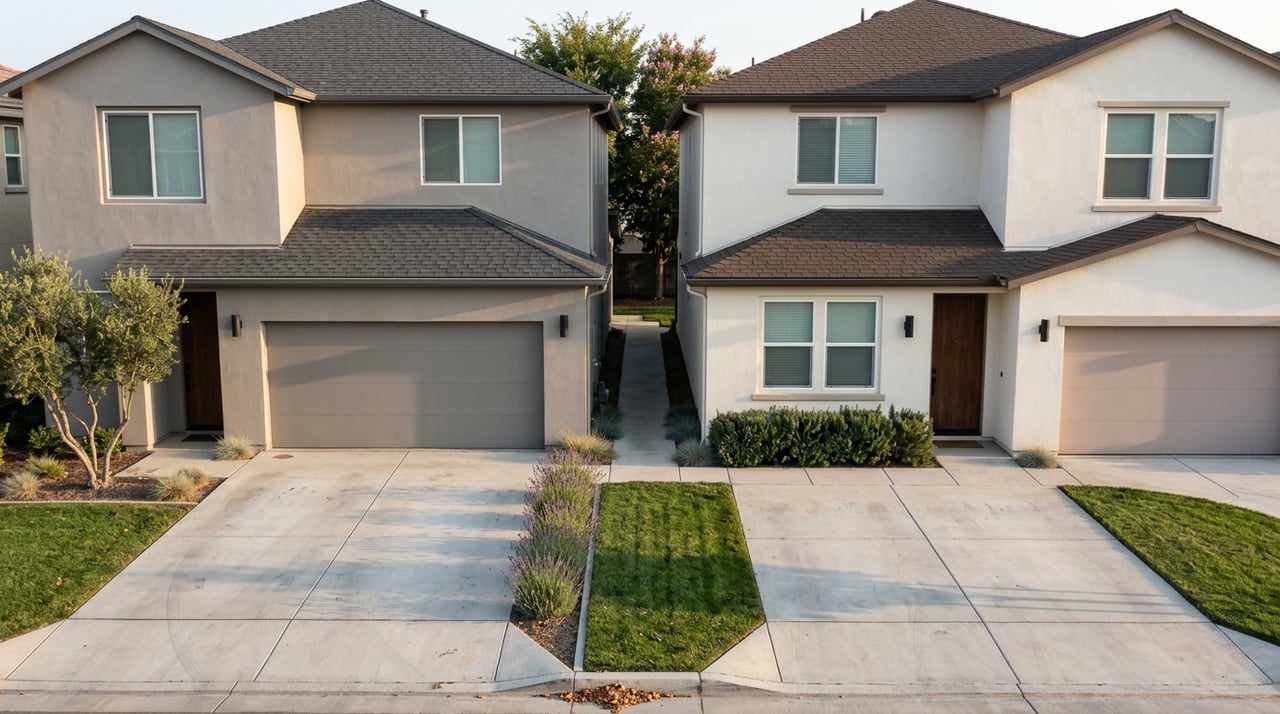
Whether you’re buying, selling, or planning ahead, Valley To Valley Realty is here to guide you with clarity and purpose. Reach out today and take the next step toward a confident real estate future.
Get In Touch With Us
VALLEY TO VALLEY REALTY
Francine Masudi | CA DRE# 02236450
(209) 513-3323
[email protected]
Rick Arciniega | CA DRE# 01101436
OFFICE HOURS
Monday - Friday
9AM - 5:00PM
ADDRESS 3017 Douglas Blvd, STE 300 Roseville, CA, 95661