Renting Out Your San Jose Home: What Owners Should Know
April 23, 2026
April 23, 2026
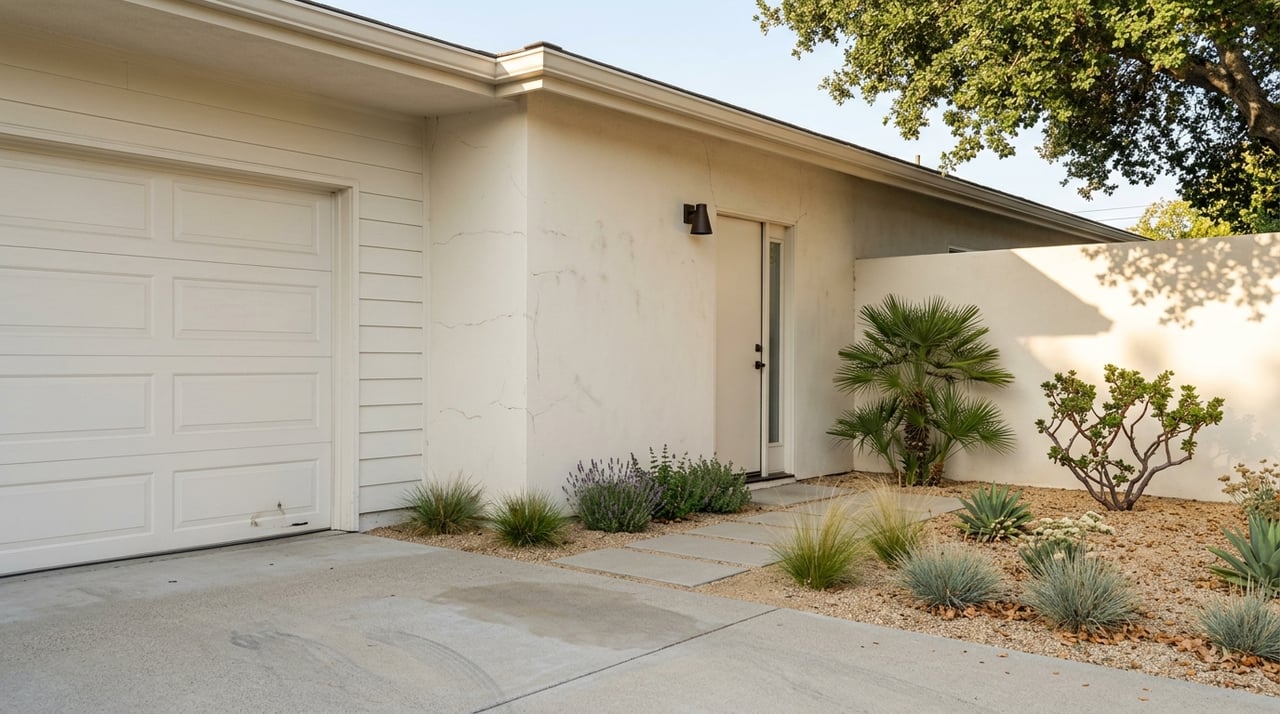
Thinking about renting out your San Jose home instead of selling it? That choice can look smart on paper, especially in a high-cost market, but becoming a landlord is more than collecting rent each month. You need to understand local rental conditions, build a realistic cash flow model, and know which California and San Jose rules may apply to your property. If you want to make a financially sound decision before you commit, this guide will help you think it through. Let’s dive in.
San Jose remains one of the more expensive rental markets in the region. According to the city's Q4 2025 housing market update, the average effective apartment rent in 2025 was $2,862 per month, with a 4.5% vacancy rate.
That vacancy rate matters because the city identifies 5% as a healthy benchmark. In plain terms, that suggests San Jose's apartment market is still relatively tight, even if conditions vary by neighborhood, unit type, and property condition.
San Jose also continues to face supply pressure. The same city report says 2025 building permits reached only 34% of the RHNA goal, and the city reported zero market-rate housing starts in 2024. For homeowners considering a rental strategy, that helps explain why demand may stay fairly steady over time.
It helps to compare San Jose with nearby Bay Area markets before you decide whether to hold or sell. In the broader Oakland-Hayward-Berkeley market, HUD reported a 6.8% apartment vacancy rate and an average rent of $2,424 in its January 2025 market profile.
That same HUD report showed even higher vacancy in some East Bay submarkets, including Downtown Oakland, Alameda, and Berkeley. Compared with that broader East Bay data, San Jose may offer somewhat stronger occupancy conditions, but you still need to price your own home based on its exact competition.
That is especially important if your property is a single-family home, condo, townhouse, or ADU. Apartment averages can provide useful context, but they are not a direct substitute for what your specific home may rent for in the current market.
One of the biggest mistakes new landlords make is focusing only on the rent check. A better approach is to treat the decision as a full-cost analysis.
Your rental math should include:
This framework is supported by IRS Publication 527, which explains that rental expenses such as maintenance, insurance, taxes, interest, and depreciation all factor into the tax side of owning rental property.
San Jose's market report is also useful here because it reports effective rents, which already reflect concessions like free rent or move-in allowances. That makes the number more useful for planning than a headline listing price that may never translate into your actual collected income.
A rental can look profitable until you account for the normal interruptions of ownership. Even in a strong market, vacancies happen, leases turn over, and repairs rarely arrive at a convenient time.
That is why stress-testing your numbers is so important. If the property only works when everything goes perfectly, it may not be the right hold. A sound model should still make sense after a normal year that includes maintenance costs and at least some downtime between tenants.
For many owners, this is the point where the decision gets clearer. If your expected rent does not comfortably cover carrying costs plus reserves, becoming a landlord may create more risk than benefit.
If you do not want to handle leasing, maintenance calls, rent collection, and day-to-day tenant communication yourself, management costs need to be part of your plan from the start. This is not a minor line item.
According to Forbes Advisor's overview of property management fees, managers commonly charge either a percentage of monthly rent or a flat monthly fee. The article cites typical percentage-based fees around 8% to 12% and average fixed fees of about $100 to $150 per month for a single-family home.
Those are not San Jose-specific quotes, but they are helpful planning ranges. If hiring help would make the experience more sustainable for you, make sure the property still works financially after that cost is added.
Before you rent out a property in San Jose, you need to verify whether local or state rules affect rent increases, notices, and tenancy decisions. This is where many first-time landlords get surprised.
San Jose's Apartment Rent Ordinance applies to apartments with three or more units built before September 7, 1979. The city states that single-family homes, accessory dwelling units, duplexes, condominiums, and townhomes are exempt from that local ordinance, and the maximum allowable increase under the ordinance is one 5% increase in a 12-month period.
That distinction matters because many homeowners considering a first rental are not operating a larger apartment building. Still, you should confirm the classification of your property before making assumptions about rent flexibility.
San Jose also has a Tenant Protection Ordinance that requires just cause for eviction in many covered situations. The city says this ordinance applies to most apartment buildings with three or more apartments, plus guesthouses and unpermitted units, and it lists 13 just causes.
At the state level, California's just-cause law can also apply. Under California Civil Code section 1946.2, just-cause protections generally apply after 12 months of occupancy for all tenants or 24 months for at least one tenant, and certain no-fault terminations may require relocation assistance or a rent waiver equal to one month's rent.
The key point is simple: local rules may be more protective than state law, and where that happens, the more protective local ordinance controls. That is why a San Jose-specific review matters before you list the home for rent.
Even if your property is exempt from San Jose's local rent ordinance, that does not automatically mean there are no rent cap rules. California's statewide Tenant Protection Act limits covered rent increases to 5% plus CPI, or 10%, whichever is lower.
The law also includes exemptions for some newer construction and some separately owned single-family homes or condos, but only when the owner qualifies and the required written notice is given. For owners of detached homes, condos, or townhomes, this is an important detail to verify early.
In other words, the legal status of your rental may depend on both the property type and whether you handled notices correctly. It is worth getting that right before the tenancy begins, not after a problem comes up.
Two more areas deserve close attention before you become a landlord: security deposits and property condition.
California's Attorney General explains in its security deposit guide that residential security deposits are now generally capped at one month's rent. The guide also says landlords generally have 21 days after move-out to return the deposit or provide an itemized statement.
Habitability standards matter just as much. The California Tenants Guide explains that landlords must provide a unit that is fit to live in before renting it and must repair conditions that make it uninhabitable during the tenancy.
For a homeowner testing the idea of becoming a landlord, this means you should budget for more than cosmetic prep. Safety, functionality, and timely repairs are part of the responsibility.
If you own a San Jose apartment property that is covered by rent stabilization, the city requires annual updates to the Rent Registry. The city states that units not registered by the deadline are not eligible for annual rent increases until registration is complete.
This may not apply to every homeowner, but it is a good example of how administrative rules can directly affect income. If your property falls into a regulated category, compliance is part of the economics.
For long-term owners, the landlord decision is not only about rent. Your property tax basis may also affect whether holding the home makes sense.
The California State Board of Equalization explains that property taxes are based on assessed value, which is generally established when ownership changes or new construction occurs. That means owners who have held a property for many years may be carrying a relatively favorable tax basis.
This can make holding more attractive than it first appears. But it should still be weighed against maintenance, vacancy, legal compliance, management burden, and your broader financial goals.
San Jose's affordability numbers help show why this decision can feel complicated. In the city's housing affordability snapshot, a household would need about $101,520 to afford a 1-bedroom apartment, $127,120 for a 2-bedroom, and $155,680 for a 3-bedroom.
That same city material shows a much larger income needed to afford ownership of a median-priced single-family home. For you as an owner, this gap helps explain why renting can feel attractive, but it also reinforces the need to run the numbers carefully rather than rely on market headlines.
If you are deciding whether to rent out your San Jose property, start with a simple review:
This kind of decision deserves more than a quick rent estimate. You are choosing between two financial paths, and each one carries different cash flow, tax, and risk consequences.
If you are weighing whether to sell, hold, or reposition a property as part of your bigger financial plan, Valley To Valley Realty can help you evaluate the numbers with a practical, strategy-first lens.
Stay up to date on the latest real estate trends.
Whether you’re buying, selling, or planning ahead, Valley To Valley Realty is here to guide you with clarity and purpose. Reach out today and take the next step toward a confident real estate future.
Get In Touch With Us
VALLEY TO VALLEY REALTY
Francine Masudi | CA DRE# 02236450
(209) 513-3323
[email protected]
Rick Arciniega | CA DRE# 01101436
OFFICE HOURS
Monday - Friday
9AM - 5:00PM
ADDRESS 3017 Douglas Blvd, STE 300 Roseville, CA, 95661