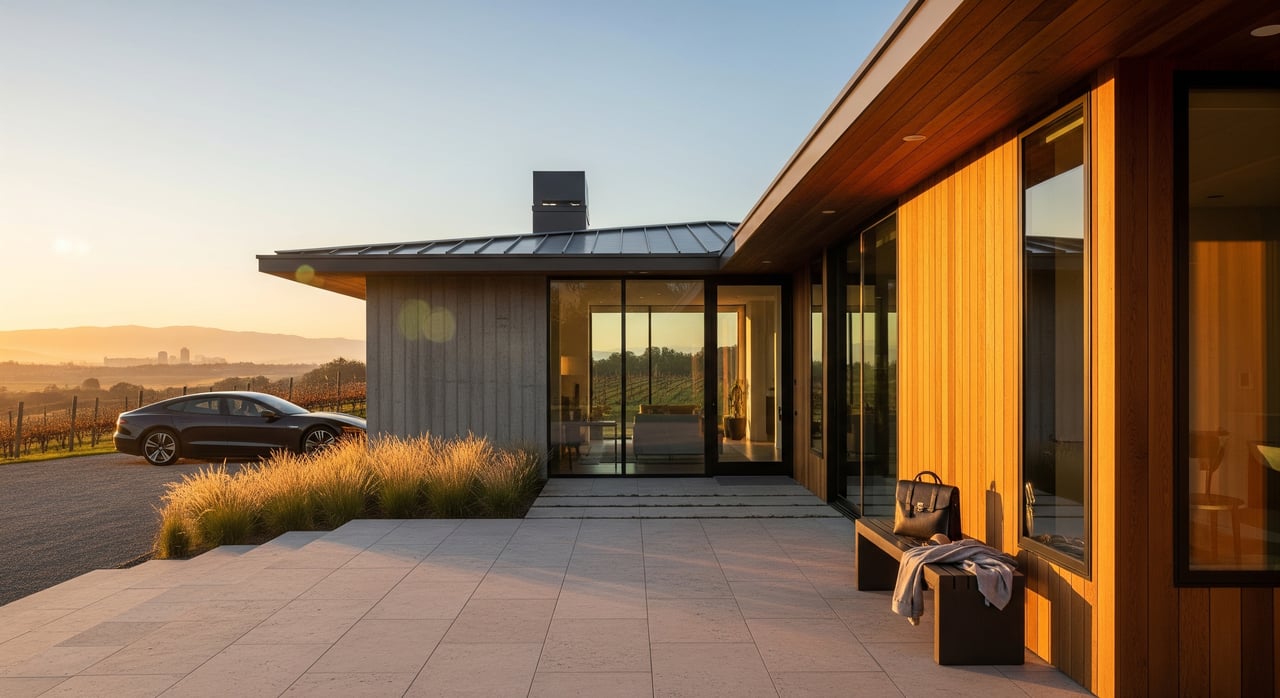
Living In Livermore As A Bay Area Commuter
February 5, 2026
February 5, 2026
Want more space without leaving the Bay Area? If you work in Oakland, Hayward, or Berkeley, Livermore can offer room to grow, a quieter pace, and solid regional connections. At the same time, you should weigh commute realities, costs, and day-to-day trade-offs before moving. In this guide, you’ll learn how the commute actually works, what life feels like in Livermore, and how to decide if the value and lifestyle are worth it for you. Let’s dive in.
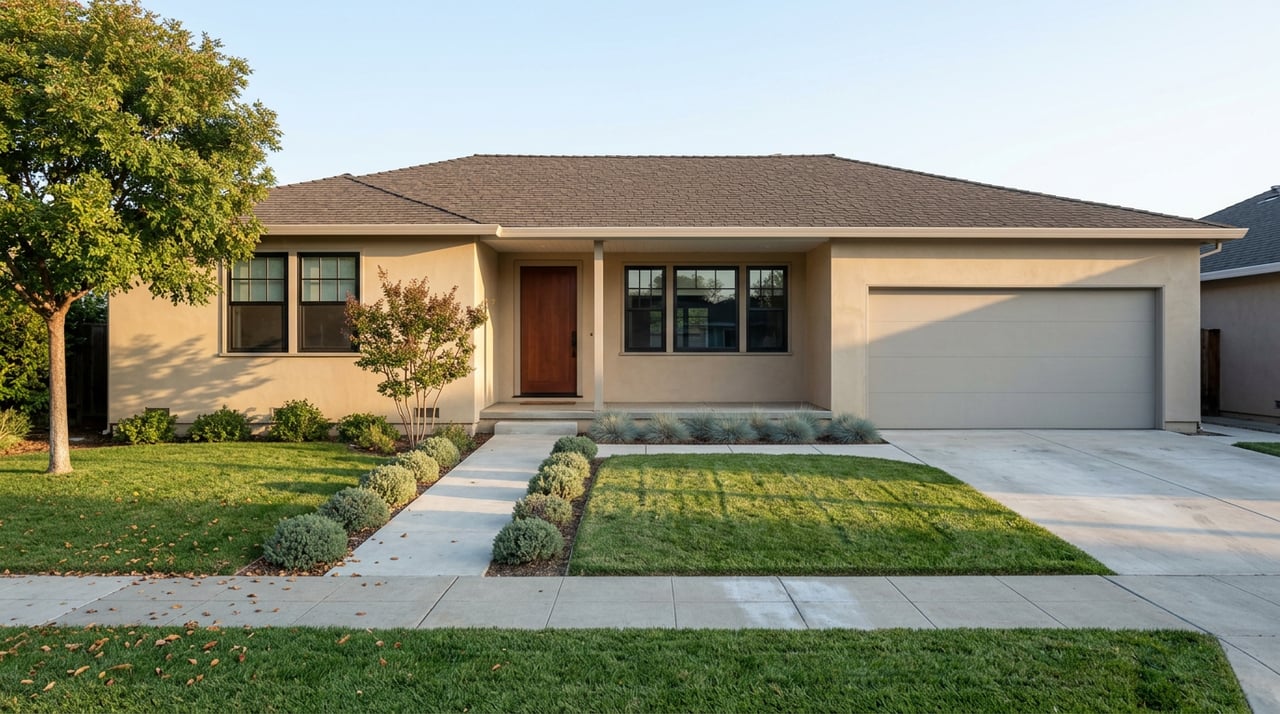
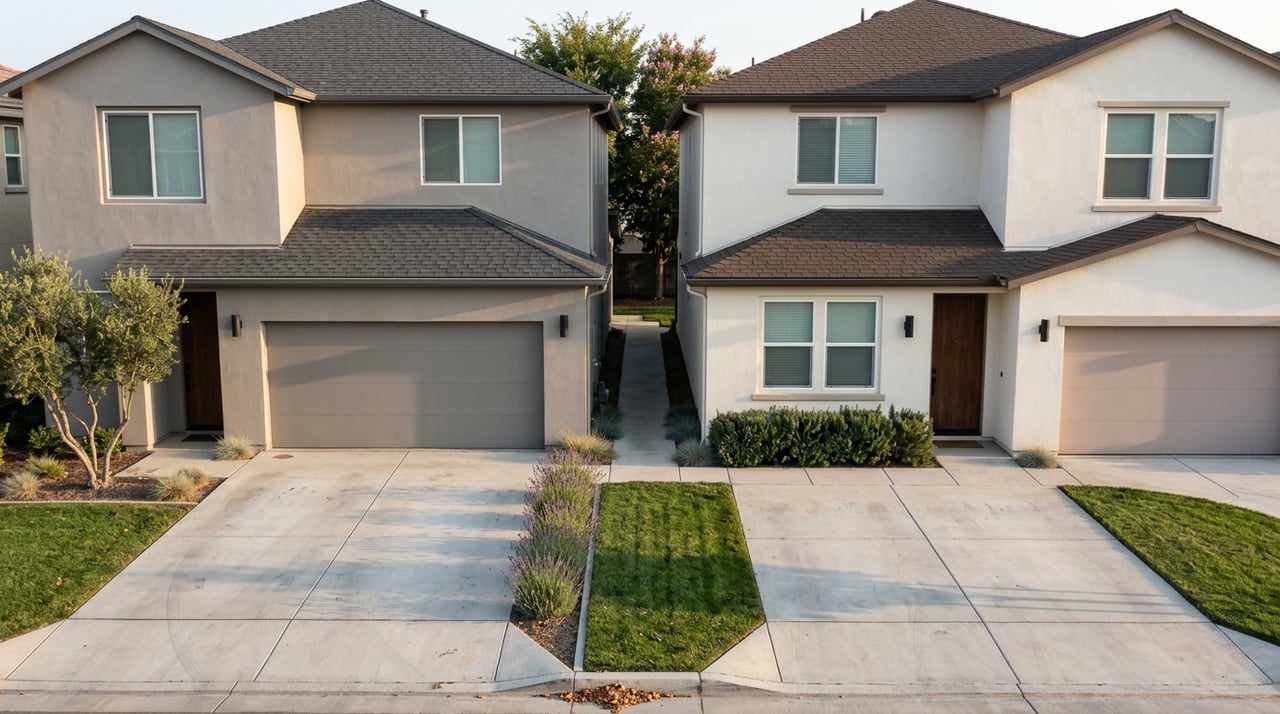
Livermore gives you a suburban setting, a historic downtown, and access to parks and wine country while staying connected to the Bay Area. Home options range from older houses near downtown to newer subdivisions with yards. Many buyers choose Livermore to trade shorter urban commutes for space and relative value.
You also get strong regional ties for work. I-580 is the main corridor across the Tri-Valley, with connections toward I-680 and I-880. While driving is the most common commute, you have transit options through local buses and nearby rail. The trade-off is clear: more space and a slower tempo in exchange for planning your commute.
If you drive to Oakland, Hayward, or Berkeley, you’ll take I-580 west and then connect to local freeways depending on your destination. Peak congestion builds on I-580 during morning and evening rush. Interchanges like I-580/I-680 and I-580/I-880 can slow you down, and Altamont Pass traffic can ripple into the corridor.
Many commuters manage this by shifting their hours, working hybrid schedules, or timing departures. Driving gives you the most control, but expect variability day to day.
Park-and-ride lots and the Dublin/Pleasanton BART station serve many Tri-Valley commuters. Lots can fill early on weekdays, so plan your arrival window. Express and carpool lanes on regional freeways can help eligible drivers cut travel times during peak periods. Check current policies before you rely on them.
No BART station in Livermore. The closest BART access is the Dublin/Pleasanton station, which you reach by driving or taking local bus service through LAVTA/WHEELS. Timed connections can work well if your schedule aligns. ACE commuter rail serves the broader Altamont Corridor, with service patterns you should confirm before planning a routine.
Valley Link is a planned rail project intended to improve Tri-Valley connectivity in the late 2020s. Timelines depend on funding and construction, so treat it as a future improvement, not a current daily option.
Door-to-door times depend on your exact destination and departure. Typical peak drive: 35–60+ minutes, with more variability when incidents occur. The route often involves I-580 and transitions to I-880 or I-980, plus local arterials in your target city.
If you must be at your desk at a fixed time, test your route during real commute hours. Keep a backup plan for major incidents, such as teleworking for part of the day or shifting your start. Real-time traffic tools and employer alerts help when conditions change.
Budget for both housing and transportation so you can see your true monthly picture. In addition to the mortgage or rent, plan for:
Livermore often offers more living space per dollar for single-family homes than Oakland or Berkeley. Rents also tend to be lower than in those cities, though still within a higher-cost Bay Area market. To compare fairly, add commute costs to your housing number on both sides of the equation.
You can choose among walkable areas near downtown, established neighborhoods, and newer subdivisions with larger lots. Some locations are closer to I-580 or feeder routes to BART, which can help if transit or timed departures matter to you.
The city is served by the Livermore Valley Joint Unified School District, with private options and a nearby community college. If schools factor into your decision, review program details and boundaries for the neighborhoods you’re considering.
Major employers include Lawrence Livermore National Laboratory and regional healthcare providers. If you work locally, you can often reduce driving and rely more on local streets, buses, or biking for short trips.
Livermore balances suburban comfort with a lively, small-city downtown. Main Street features restaurants, cafes, shops, and arts venues like the Bankhead Theater. Seasonal events and farmers markets create a steady rhythm of community activity.
Weekends offer easy access to the outdoors. Nearby you have the Livermore Valley Wine Country for tasting rooms and vineyard events. Del Valle Regional Park and Pleasanton Ridge provide trails, boating, and open space. A regional outlet center off I-580 adds shopping variety. Nightlife is more modest than in larger Bay Area cities, which many residents find aligns with a quieter lifestyle.
If you want frequent, late-night urban dining and minimal travel time to downtown Oakland or Berkeley, the suburban trade-off may feel less aligned with your routine.
Use a simple plan to test fit before you move:
When you evaluate a move like this, a finance-first approach helps. You want a clear view of total cost, commute flexibility, and long-term equity potential. Our team can model housing plus transportation budgets, align offers with your timeline, and target neighborhoods that fit your commute and lifestyle.
If you’re weighing Livermore against other Bay Area options, let’s build a plan that protects your time and your bottom line. Connect with Valley To Valley Realty to map your strategy.
Stay up to date on the latest real estate trends.
Whether you’re buying, selling, or planning ahead, Valley To Valley Realty is here to guide you with clarity and purpose. Reach out today and take the next step toward a confident real estate future.
Get In Touch With Us
VALLEY TO VALLEY REALTY
Francine Masudi | CA DRE# 02236450
(209) 513-3323
[email protected]
Rick Arciniega | CA DRE# 01101436
OFFICE HOURS
Monday - Friday
9AM - 5:00PM
ADDRESS 3017 Douglas Blvd, STE 300 Roseville, CA, 95661